FAQs about Coffee


Coffee is one of the world's most popular beverages, enjoyed daily by millions across cultures and lifestyles. From specialty cafés to home brewing setups, coffee has evolved into a global industry with countless varieties, preparation methods, and traditions. Whether you're curious about caffeine content, bean origins, roasting levels, or brewing techniques, understanding the basics can help you make better coffee choices. This FAQ page covers some of the most searched questions about coffee, providing clear and concise answers for both beginners and experienced coffee drinkers.
What is coffee?
Coffee is a beverage made by brewing roasted coffee beans, which are the seeds of berries produced by coffee plants. It is valued for its flavor, aroma, and caffeine content. Coffee is consumed worldwide and can be prepared using various brewing methods.
How much caffeine is in a cup of coffee?
An average 240 ml (8 oz) cup of brewed coffee contains about 80–100 mg of caffeine. Actual amounts vary depending on bean type, roast level, brewing method, serving size, and coffee-to-water ratio.
What is the difference between Arabica and Robusta coffee?
Arabica beans generally produce smoother, sweeter flavors with higher acidity. Robusta beans contain more caffeine and often have stronger, earthier, and more bitter characteristics. Arabica dominates specialty coffee, while Robusta is commonly used in espresso blends and instant coffee.
Is coffee good for you?
Coffee contains antioxidants and may provide benefits such as improved alertness and concentration. Research has also linked moderate coffee consumption to certain long-term health advantages. However, individual responses vary depending on caffeine sensitivity and consumption habits.
What is decaf coffee?
Decaf coffee is coffee that has had most of its caffeine removed before roasting. It still contains small amounts of caffeine but significantly less than regular coffee. Decaf allows people to enjoy coffee flavor while reducing caffeine intake.
How should coffee beans be stored?
Store coffee beans in an airtight container away from heat, moisture, light, and strong odors. A cool pantry is usually ideal. Proper storage helps preserve freshness and flavor while slowing the degradation of aromatic compounds.
How long do coffee beans stay fresh?
Whole coffee beans generally taste best within two to six weeks after roasting when stored properly. While they remain safe to consume for much longer, flavor and aroma gradually decline as exposure to oxygen increases.
What is the best way to brew coffee?
The best brewing method depends on personal preference. Popular options include drip coffee makers, French press, pour-over, AeroPress, and espresso machines. Each method extracts flavors differently, producing distinct taste profiles and textures.
Why does coffee sometimes taste bitter?
Bitterness can result from over-extraction, excessively hot water, very dark roasts, stale beans, or poor brewing techniques. Adjusting grind size, brewing time, and water temperature often improves flavor balance and reduces unpleasant bitterness.
What is espresso?
Espresso is a concentrated coffee made by forcing hot water through finely ground coffee under pressure. It forms the base of many coffee drinks and is known for its rich flavor, thick body, and crema layer.
What is the difference between espresso and regular coffee?
Espresso uses pressure and a fine grind, producing a concentrated beverage in a small serving. Regular brewed coffee relies on gravity or immersion methods and generally contains a lighter body with a larger serving size.
What is cold brew coffee?
Cold brew coffee is made by steeping coffee grounds in cold water for several hours, typically 12 to 24. The resulting concentrate is smooth, less acidic, and often served chilled over ice or diluted with water.
Does dark roast coffee have more caffeine?
Contrary to common belief, roast level has only a minor effect on caffeine content. Light and dark roasts contain similar amounts of caffeine by weight, although measurements by volume can produce slight differences.
What is a latte?
A latte is an espresso-based drink made with steamed milk and a small layer of milk foam. The high milk content creates a smooth, creamy texture and softens espresso's intensity.
What is a cappuccino?
A cappuccino combines espresso, steamed milk, and milk foam in roughly equal proportions. Compared with a latte, it usually has a stronger coffee flavor and a thicker foam layer.
Why do coffee beans have different roast levels?
Roasting transforms green coffee beans into flavorful brown beans. Different roast levels influence acidity, sweetness, body, aroma, and flavor complexity. Roasters choose specific profiles to highlight characteristics of particular coffee origins.
What is specialty coffee?
Specialty coffee refers to high-quality coffee that meets strict standards for cultivation, processing, roasting, and brewing. These coffees are typically traceable to specific farms or regions and emphasize unique flavor characteristics.
Can coffee expire?
Coffee does not typically spoil quickly when kept dry, but it loses freshness over time. Ground coffee degrades faster than whole beans. While older coffee may remain safe to drink, flavor quality and aroma often diminish significantly.
Why does coffee make some people feel jittery?
Caffeine stimulates the central nervous system, increasing alertness and energy. Some individuals are more sensitive to caffeine and may experience jitters, nervousness, rapid heartbeat, or restlessness after consuming coffee.
How many cups of coffee can most adults drink daily?
Many healthy adults can consume moderate amounts of coffee daily without issues. General guidance often suggests up to about 400 mg of caffeine per day, though tolerance varies based on age, body size, and individual sensitivity.
Coffee remains one of the most versatile and widely enjoyed drinks in the world. Whether you prefer espresso, cold brew, pour-over, or a classic cup of brewed coffee, understanding the fundamentals can improve your coffee experience. Learning about beans, roasting, brewing, and storage helps you make informed choices and discover flavors that suit your preferences. As coffee culture continues to evolve, there is always something new to explore and enjoy.
 Team qwikFAQs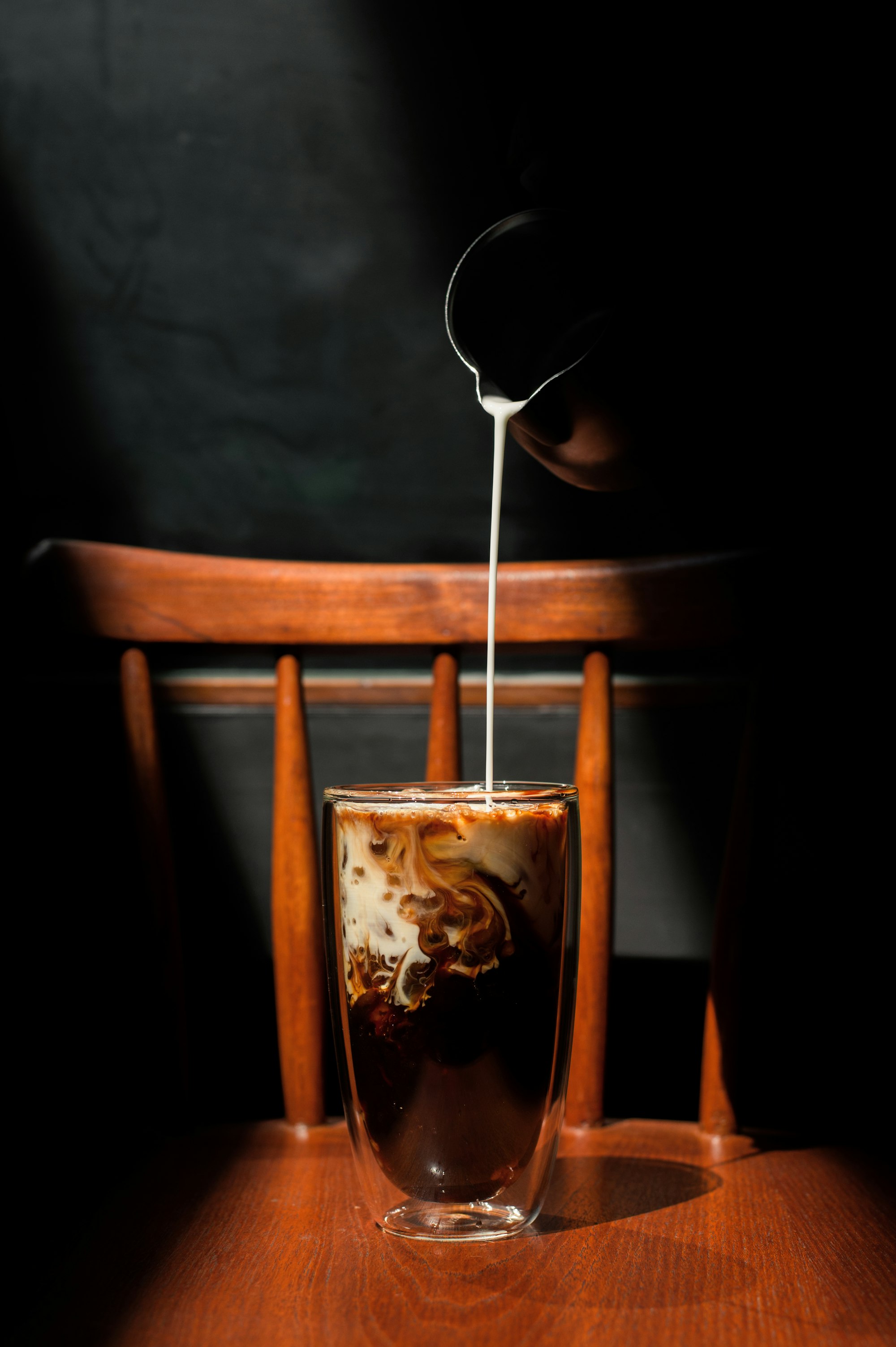
 Team qwikFAQs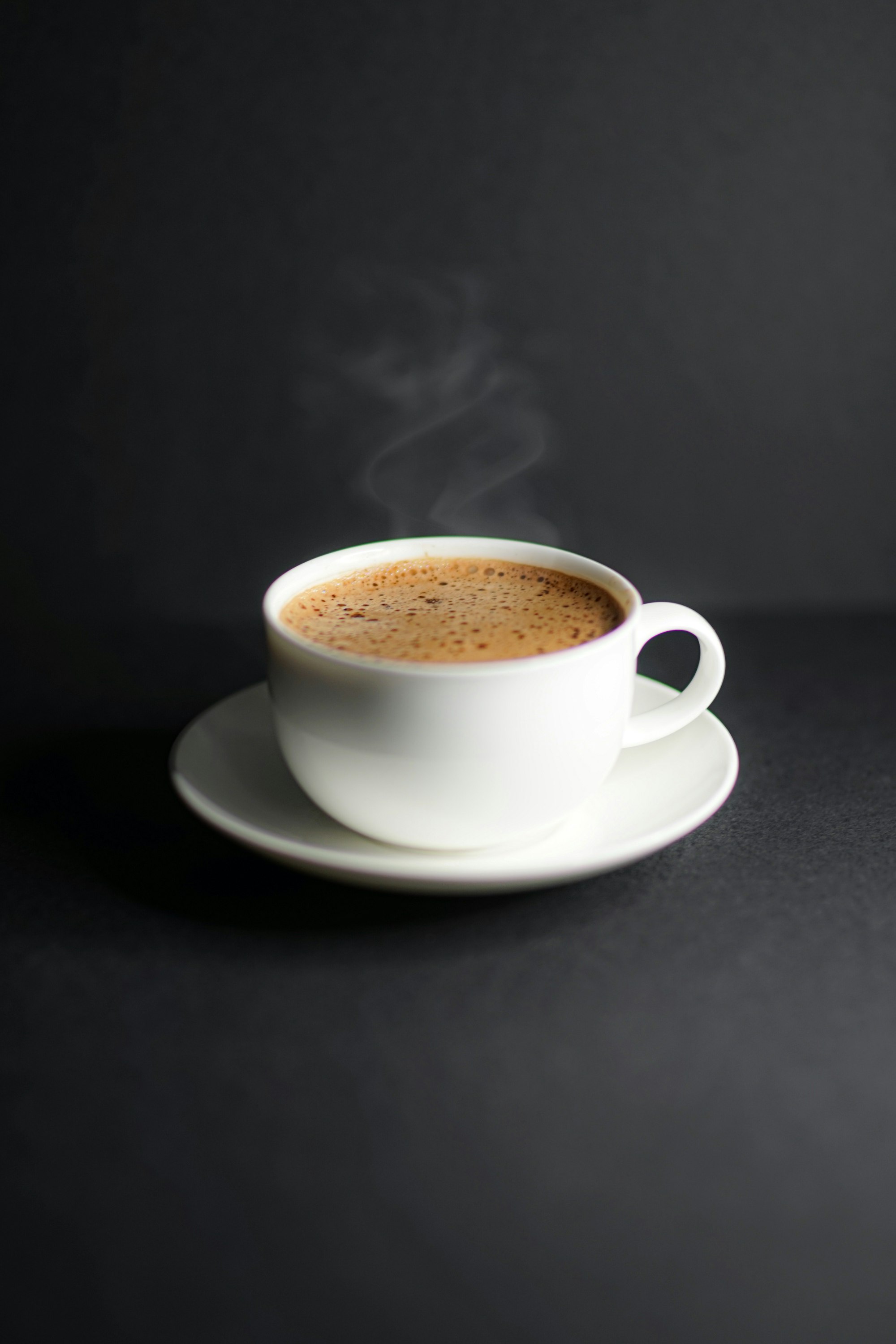
 Team qwikFAQs