FAQs About Denim


Denim is one of the world's most recognizable and versatile fabrics, worn across generations and cultures. From classic blue jeans to jackets, skirts, shirts, and accessories, denim has evolved from durable workwear into a fashion essential. Despite its popularity, many people still have questions about denim quality, different fabric types, proper care, sizing, sustainability, and how to choose the right pair. This FAQ guide answers the most commonly searched questions to help you better understand denim, whether you're buying your first pair of jeans or looking to make them last for years.
What is denim?
Denim is a sturdy cotton twill fabric woven with a diagonal rib pattern. Traditionally, it features indigo-dyed warp threads and undyed white weft threads, creating the familiar blue appearance. While jeans are the most common denim product, the fabric is also widely used for jackets, shirts, dresses, bags, and footwear.
Is denim made from 100% cotton?
Traditionally, denim was made entirely from cotton. Today, many denim garments include small amounts of elastane, polyester, or other fibers to improve stretch, comfort, wrinkle resistance, or durability. The fiber content is always listed on the garment's care label.
What is the difference between denim and jeans?
Denim is the fabric, while jeans are a garment made from denim. Not every denim product is a pair of jeans. Jackets, skirts, shorts, overalls, and shirts can all be made from denim, making the fabric far more versatile than the garment itself.
What is raw denim?
Raw denim, also called dry denim, is fabric that has not been washed after dyeing. It feels stiffer when new but gradually softens and develops unique fading patterns based on the wearer's movements and lifestyle, making every pair look different over time.
What is selvedge denim?
Selvedge denim is woven on traditional shuttle looms, producing tightly finished edges that prevent fraying. It's often associated with premium craftsmanship, higher durability, and distinctive edge detailing, though selvedge alone does not guarantee better quality than every non-selvedge denim.
What is stretch denim?
Stretch denim contains elastic fibers such as elastane or spandex, allowing the fabric to move with the body. It provides greater comfort, flexibility, and shape retention, making it popular for skinny, slim-fit, and everyday jeans.
Does denim shrink after washing?
Yes. Cotton denim can shrink, especially if it hasn't been pre-shrunk. Washing in hot water and machine drying at high temperatures usually increases shrinkage. Following the care instructions and using cold water helps minimize size changes.
How often should you wash denim?
Most denim doesn't need frequent washing. Washing only after several wears helps preserve color, reduce fading, and extend fabric life. Spot cleaning, airing out jeans, and treating stains promptly can reduce unnecessary washing without compromising hygiene.
Can you machine wash denim?
Yes. Turn denim garments inside out, wash them in cold water with similar colors, and use a gentle cycle. Avoid bleach and excessive detergent. Air drying is generally recommended because it reduces shrinkage and helps preserve the fabric's shape and color.
Why does denim fade over time?
Indigo dye mainly coats the outer surface of denim fibers rather than fully penetrating them. Washing, friction, sunlight, and daily wear gradually remove the dye, creating lighter areas and the distinctive fading patterns many denim enthusiasts appreciate.
How long does quality denim last?
High-quality denim can last for many years with proper care. Durability depends on fabric weight, construction, frequency of wear, washing habits, and repairs. Heavier denim often withstands more wear, although even lightweight denim can last if maintained carefully.
What do denim weight measurements mean?
Denim weight is measured in ounces per square yard. Lightweight denim usually ranges from 5–10 oz, midweight from 10–13 oz, and heavyweight above 13 oz. Heavier denim is generally more durable, while lighter denim offers greater comfort in warmer climates.
Is heavier denim always better?
Not necessarily. Heavier denim typically provides greater durability but can feel stiff and warm. Lighter denim offers better comfort, flexibility, and breathability. The best choice depends on climate, intended use, and personal preference rather than weight alone.
How can you tell if denim is good quality?
Good-quality denim usually features consistent stitching, strong seams, durable hardware, evenly woven fabric, and minimal manufacturing defects. Premium denim also tends to maintain its shape, resist premature wear, and age attractively after repeated use.
Is denim breathable?
Cotton denim is naturally breathable, although thicker fabrics retain more heat than lightweight versions. Stretch blends and lighter-weight denim often provide improved comfort during warmer weather, while heavyweight denim is better suited to cooler temperatures.
Is denim sustainable?
Denim can be sustainable when produced using organic cotton, recycled fibers, water-saving dyeing techniques, and responsible manufacturing processes. Buying durable garments, repairing worn items, and wearing them longer often has a greater environmental benefit than replacing them frequently.
Can denim be recycled?
Yes. Denim can be recycled into insulation, cleaning cloths, furniture filling, new textiles, and even fresh denim fabric. Many clothing brands and textile recycling programs accept old denim garments, helping reduce landfill waste and conserve raw materials.
Why do some jeans feel stiff when new?
New jeans, particularly raw or heavyweight denim, often feel stiff because of tightly woven fibers and finishing treatments. With regular wear and movement, the fabric gradually softens, becoming more comfortable while molding to the wearer's body shape.
How should denim fit?
The ideal fit depends on the style and intended look, but denim should feel comfortable without excessive tightness or sagging. The waistband should stay secure without a belt, while allowing enough freedom of movement for sitting, walking, and bending comfortably.
Can denim be repaired instead of replaced?
Yes. Small holes, worn knees, loose seams, broken zippers, and damaged pockets can often be repaired. Mending extends the life of denim, reduces waste, and is especially worthwhile for high-quality or well-loved garments that have developed unique wear patterns.
Denim remains one of the most durable, adaptable, and timeless fabrics ever created. Understanding the differences between raw, stretch, selvedge, and standard denim—as well as proper washing, fit, and care—helps you make smarter purchasing decisions and extend the life of every garment. Whether you're investing in premium jeans or simply looking for everyday comfort, knowing how denim behaves ensures you'll get the most value and enjoyment from this wardrobe staple.
 Team qwikFAQs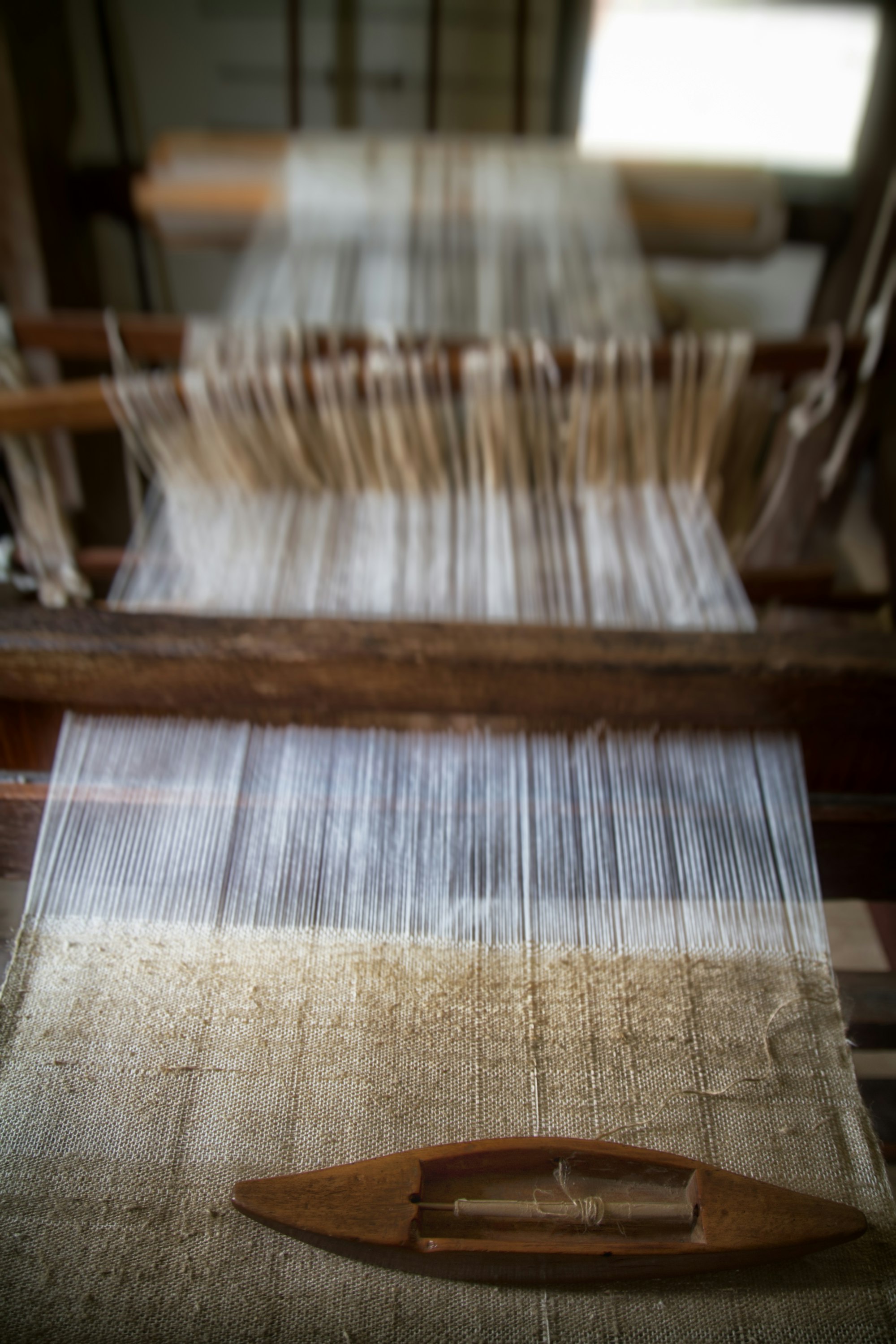
 Team qwikFAQs
 Team qwikFAQs