FAQs about Diego Maradona | Football Legend and Cultural Icon

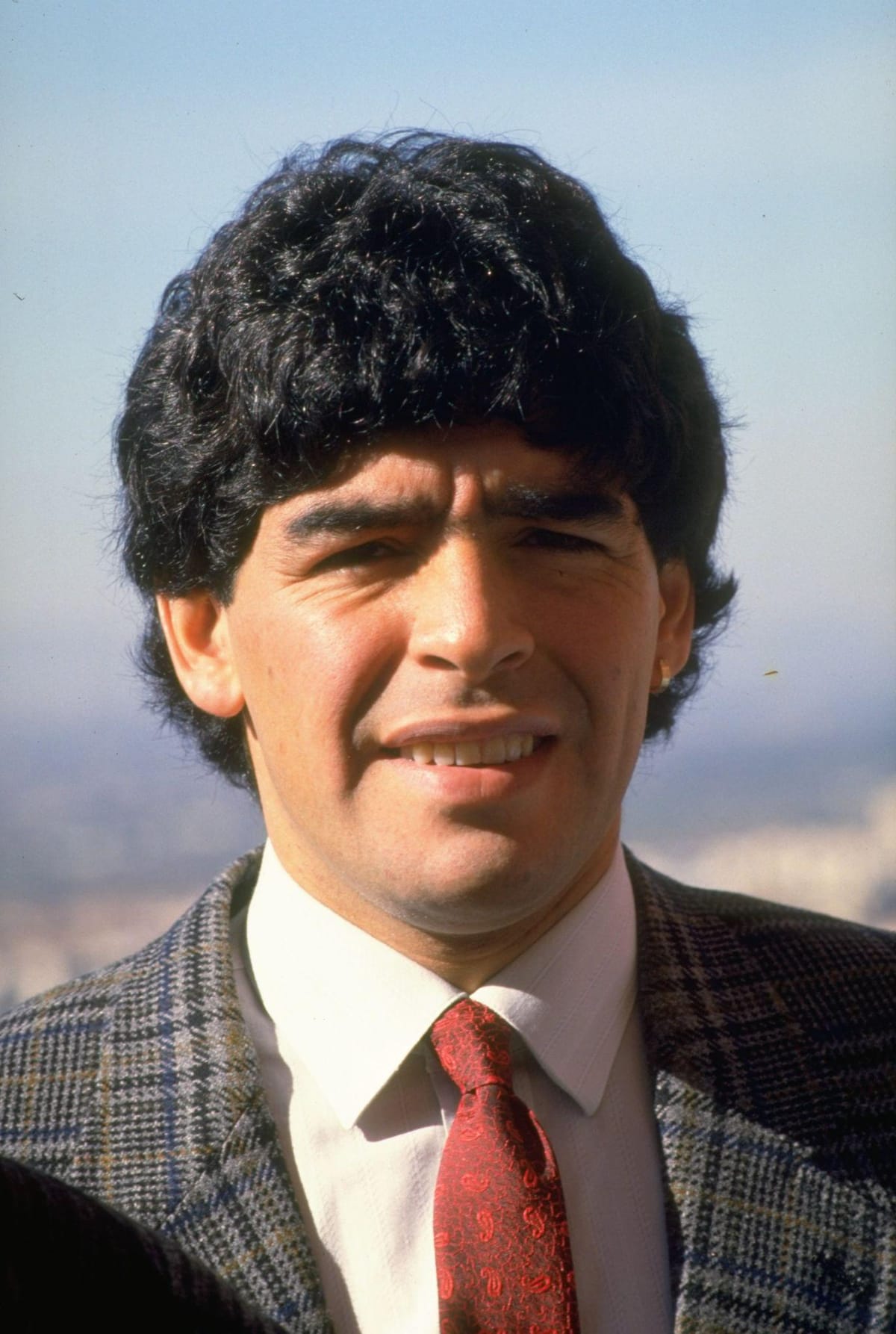
Few figures in global sport inspire as much devotion, controversy, and mythology as Diego Maradona. Revered in Argentina, idolized in Naples, and debated worldwide, Maradona’s life extended far beyond football statistics. His career blended unmatched technical brilliance with intense personal struggles, political symbolism, and cultural impact that still shapes how football heroes are viewed today.
This FAQ page explores the most searched, discussed, and enduring questions about Diego Maradona, offering historical clarity, without romanticising or oversimplifying his story.
Who was Diego Maradona and why is he so famous?
Diego Maradona was an Argentine professional footballer and manager, widely regarded as one of the greatest players in football history. His fame stems not only from extraordinary skill but from iconic moments that defined entire tournaments and eras. Maradona symbolised hope, rebellion, and national pride for millions, particularly during Argentina’s post-dictatorship years.
When and where was Diego Maradona born?
Maradona was born on 30 October 1960 in Lanús, Buenos Aires Province, Argentina, and grew up in Villa Fiorito, one of the city’s poorest neighbourhoods. His background strongly influenced how fans connected with him, especially in working-class communities around the world.
What position did Diego Maradona play?
He primarily played as an attacking midfielder or second striker. Maradona was known for operating between midfield and attack, orchestrating play while also scoring decisive goals himself. His low centre of gravity, vision, and dribbling made traditional positional labels inadequate.
What are Diego Maradona’s greatest football achievements?
Maradona’s crowning achievement was leading Argentina to victory at the FIFA World Cup in 1986. At club level, he transformed Napoli into Serie A champions, a feat unmatched in the club’s history. Individually, he won multiple Player of the Year honours and remains a reference point for football greatness.
What happened in the 1986 World Cup?
The 1986 tournament in Mexico is often described as the “Maradona World Cup.” He scored five goals and assisted another five, including two of the most famous goals ever scored against England: the “Hand of God” and the “Goal of the Century.” These moments secured his legacy as football’s ultimate match-winner.
What is the “Hand of God” goal?
The “Hand of God” was a goal scored by Maradona using his hand during the quarter-final against England in 1986. The referee did not see the infringement, and the goal stood. Maradona later described it as being scored “a little with the head of Maradona and a little with the hand of God,” making it one of sport’s most debated incidents.
Why is Diego Maradona considered a controversial figure?
Maradona’s career was marked by battles with substance abuse, conflicts with football authorities, and outspoken political views. He was suspended for drug use in the early 1990s and lived much of his life under intense media scrutiny. These controversies did not erase his sporting genius but added complexity to his public image.
Which clubs did Diego Maradona play for?
Maradona played for several clubs, including Argentinos Juniors, Boca Juniors, Barcelona, Napoli, Sevilla, and Newell’s Old Boys. His time at Napoli remains the most culturally significant, where he is still treated as a near-religious figure.
Why is Diego Maradona so loved in Naples?
Naples saw Maradona as a symbol of resistance against northern Italian dominance. Under his leadership, Napoli defeated wealthier clubs from Milan and Turin, giving the city its first league titles. His impact transcended football, becoming a statement of regional pride and social identity.
Did Diego Maradona win the Ballon d’Or?
Maradona did not officially win the Ballon d’Or during his playing career because the award was restricted to European players until 1995. Retrospective evaluations later recognised him as a rightful recipient based on merit.
What was Diego Maradona’s relationship with Lionel Messi?
Maradona strongly supported Lionel Messi, often defending him from criticism. While comparisons between the two were inevitable, Maradona viewed Messi as a different kind of genius shaped by a different footballing era.
Did Diego Maradona coach football teams?
Yes. Maradona coached several clubs and the Argentine national team. He managed Argentina during the 2010 World Cup, where the team reached the quarter-finals. His coaching career was less successful than his playing days but remained emotionally significant for fans.
How did Diego Maradona die?
Maradona died on 25 November 2020 at the age of 60 from cardiac arrest following brain surgery earlier that month. His death triggered national mourning in Argentina and global tributes across the footballing world.
How is Diego Maradona remembered today?
Maradona is remembered as a football genius, a flawed hero, and a cultural icon. Stadiums, murals, documentaries, and academic discussions continue to explore his influence. His legacy invites debate about talent, discipline, morality, and how society treats its idols.
Closing Perspective
Diego Maradona’s story cannot be reduced to goals or trophies alone. He remains a lens through which football’s beauty, excesses, and contradictions are examined. For a global audience, understanding Maradona means understanding why football is never just a game.